2026 Top Preschool Toys for Early Childhood Development Trends?
As we look ahead to 2026, the world of preschool toys is evolving rapidly. These toys play a crucial role in early childhood development. They stimulate imagination and creativity, fostering a love for learning at a young age. Educators and parents alike are recognizing the importance of selecting the right toys for young children.
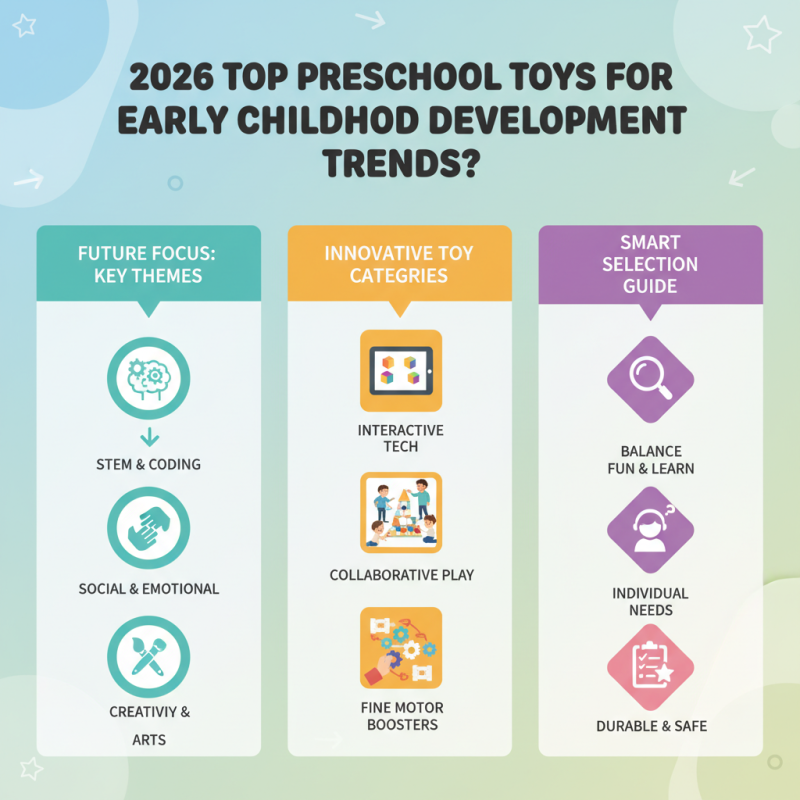
Preschool toys today incorporate technology and interactive elements. Some toys encourage cooperation and teamwork, while others focus on fine motor skills. However, not all toys are created equal. Some may distract rather than educate. The challenge for parents and caregivers is to find toys that balance fun and developmental benefits.
In this landscape, choosing preschool toys requires careful consideration. What works well for one child may not suit another. It’s essential to reflect on a child’s individual needs. By doing so, we can ensure that our choices truly support their growth.
Key Characteristics of Top Preschool Toys for Development
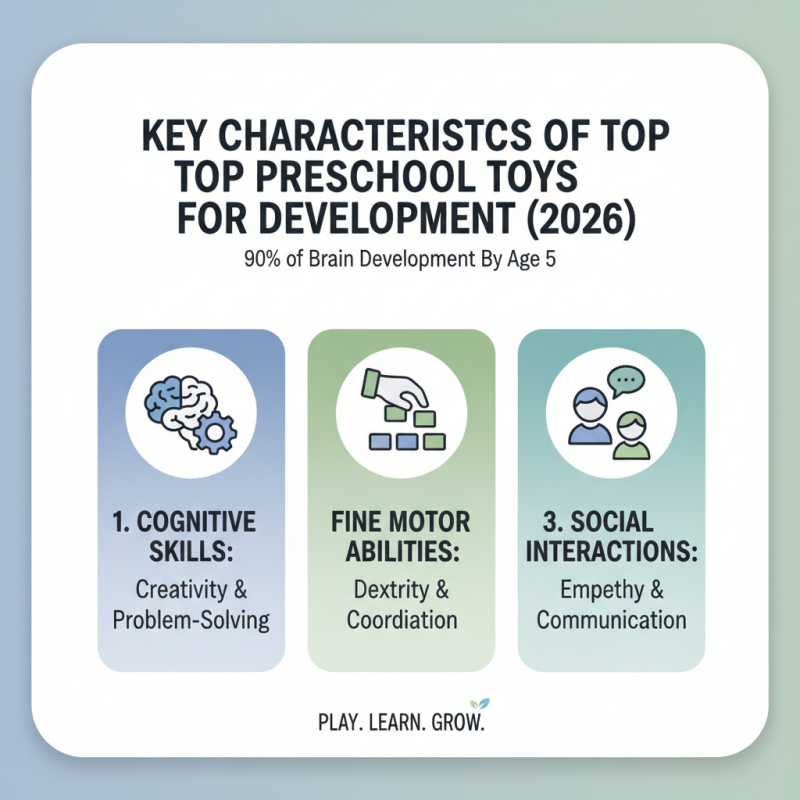
In 2026, the focus on preschool toys will reflect critical trends in early childhood development. Key characteristics will center on enhancing cognitive skills, fine motor abilities, and social interactions. Research shows that 90% of brain development occurs by age five, making the right toys essential. Engaging toys can foster creativity and problem-solving skills, which are vital for preschool-aged children.
Interactive toys that encourage collaboration and communication are increasingly popular. For example, toys promoting group play can improve social skills. A report by the National Association for the Education of Young Children highlights that children who play together build empathy and communication. Toy designs will prioritize sensory elements. Textures, sounds, and colors stimulate exploration, aiding sensory development.
While many toys claim to aid learning, it's important to reflect on their real effectiveness. Simple toys often encourage deeper thinking than complex ones. Parents may question if expensive toys deliver on promised educational outcomes. The challenge lies in finding toys that balance fun and learning without overwhelming a child's natural curiosity. In an era of screen time, ensuring engagement through physical play remains crucial for development.
Importance of Play in Early Childhood Development
Play is essential in early childhood development. It fosters creativity, problem-solving, and social skills. Through play, children explore their environment and express emotions. Toys that encourage imaginative play are particularly beneficial. They allow for role-playing and help kids understand the world around them.
Here are some tips to maximize playtime. Choose toys that spark curiosity. Look for items that can be used in multiple ways. Open-ended toys are great for creativity. Limit screens to encourage active play. Outdoor playtime is equally important. Nature inspires children and keeps them engaged.
Always observe how your child interacts with toys. If they seem uninterested, consider switching things up. Sometimes, less popular toys can surprise you. Children may appreciate a simple box more than an expensive toy. Encourage them to create their own play scenarios. This can lead to unexpected learning opportunities.
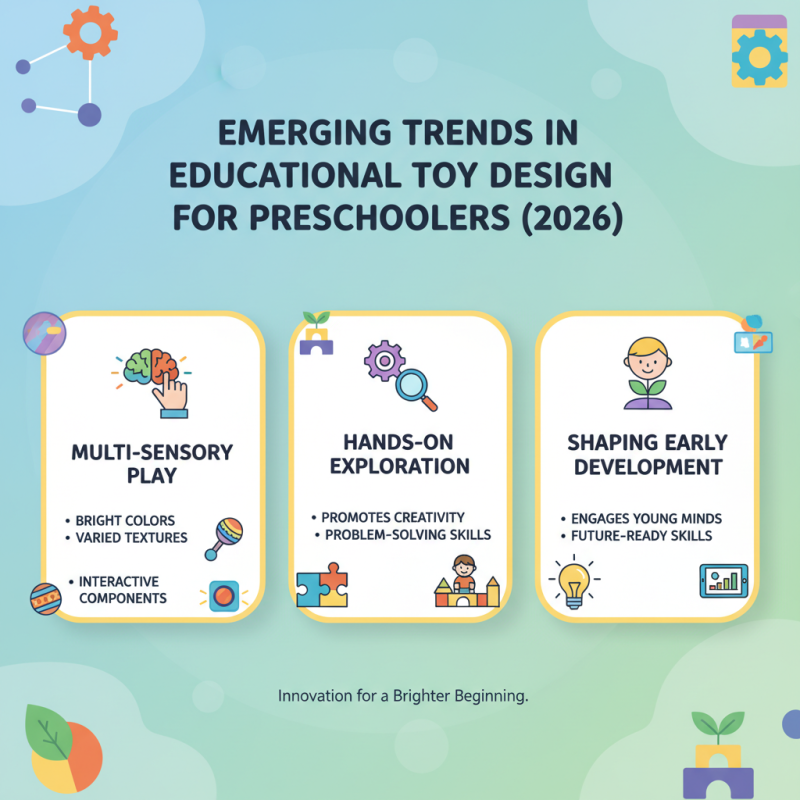
Emerging Trends in Educational Toy Design for Preschoolers
As we approach 2026, a wave of innovative educational toy designs is set to shape early childhood development. Modern toys are increasingly emphasizing multi-sensory play. Bright colors, varied textures, and interactive components engage young minds effectively. They encourage hands-on exploration, promoting creativity and problem-solving skills.
Some trends emphasize eco-friendly materials. Sustainability is becoming a priority in toy production. This shift not only benefits the environment but also teaches children the importance of caring for the planet. Many toys now incorporate organic materials, reducing harmful chemical exposure. However, not all eco-friendly options prove durable or interesting.
Additionally, technology plays a significant role in the evolution of preschool toys. Interactive toys using augmented reality stimulate curiosity. They blend physical play with digital experiences. Yet, there’s a fine line to tread; too much screen time can hinder development. Balancing tech and classic play is crucial. Parents often express concerns about over-reliance on gadgets, emphasizing the need for thoughtful design.
Popular Themes and Materials in 2026 Preschool Toys
In 2026, preschool toys focus on development trends that engage young minds. Popular themes include nature, technology, and cultural diversity. Toys reflecting these themes help children explore their world. Nature-themed toys often feature vibrant colors and textures. These elements attract attention and stimulate creativity.
Materials matter too. Eco-friendly options are a growing trend. Parents want safe, sustainable items for their children. Biodegradable plastics and natural wood are common choices. These materials not only last longer but also foster an appreciation for the environment. It’s essential to consider the implications of material choices. Are they truly eco-friendly? Are they safe for little ones?
Here’s a tip: involve children in playtime. Let them choose what interests them. This involvement helps develop their decision-making skills. Also, observe how they interact. Reflection on their play can guide future toy purchases. Ultimately, the best toys inspire curiosity and imagination.
2026 Top Preschool Toys for Early Childhood Development Trends
This bar chart illustrates the trending preschool toy categories in 2026, emphasizing the importance of interactive learning and STEM toys for early childhood development.
Parental Insights on Selecting Developmentally Appropriate Toys
Choosing developmentally appropriate toys can feel overwhelming for parents. There are so many options available today. It's important to select toys that promote skills like problem-solving and creativity. Engaging in play helps children learn about their world and express themselves.
Tips: Look for toys that encourage open-ended play. Building blocks, art supplies, and simple puzzles can ignite imagination. Avoid overly complex toys that can overwhelm a child. Sometimes, less is more. A few quality toys can foster deeper engagement than a large collection of flashy items.
Consider your child’s interests. If they love nature, outdoor toys can spark curiosity. Toys that mimic real-world experiences, like gardening sets or kitchen playsets, can be effective too. Reflect on what your child enjoys and use that as a guide. Not every toy will resonate with every child, and that’s perfectly okay.
Tips: Observe how your child interacts with their toys. This can provide insights into what is beneficial for their growth. Be open to changing the toy selection based on their evolving interests. The journey of play is as significant as the toys themselves. Allowing children to explore and make choices is essential.