China Top Preschool Toys for Early Childhood Development Options?
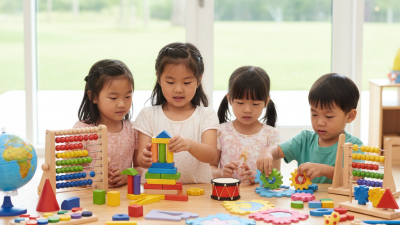
Preschool toys play a crucial role in early childhood development. In China, a diverse range of options is available to support various aspects of growth. These toys are designed to enhance cognitive abilities, motor skills, and social interactions. Engaging with the right preschool toys fosters creativity and independent thinking.
Parents often seek toys that are not only fun but also educational. Some toys promote problem-solving skills, while others enhance fine motor coordination. For instance, building blocks encourage spatial awareness and balance. Art supplies can spark creativity, allowing children to express their thoughts visually. Choosing appropriate toys can sometimes feel overwhelming, yet it is essential to navigate these options wisely.
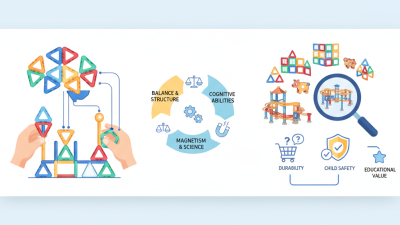
While many toys claim to offer developmental benefits, not all fulfill these promises. Research-backed recommendations can guide informed decisions. It is vital to consider a child's unique needs and interests. By prioritizing safety and quality, parents can ensure their children benefit from these valuable resources. Ultimately, selecting the right preschool toys is about supporting a child's growth journey.
Popular Types of Preschool Toys in China for Early Development
The importance of preschool toys in early childhood development cannot be overstated. In China, specific types of toys have emerged as favorites among educators and parents alike. According to a report by the China Toy & Juvenile Products Association, 72% of parents believe that toys significantly influence their child's learning and growth.
Building blocks are a prime example of effective preschool toys. They promote creativity and enhance fine motor skills. Engaging in block play allows children to explore spatial relationships and develop problem-solving abilities. The National Institute for Early Education Research emphasizes that such hands-on experiences are vital during the formative years.
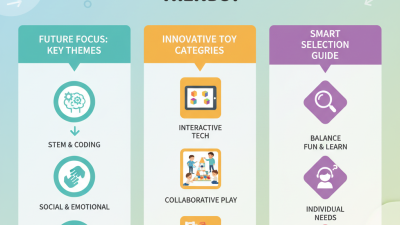
Another popular category includes interactive learning toys. These toys often incorporate technology, such as coding games and music apps. While they can foster cognitive development, they may also lead to overstimulation. Striking the right balance is crucial. Parents should ensure that screen time is limited, as experts recommend no more than one hour per day for children aged two to five. Various experts warn against relying too heavily on electronic toys, suggesting a mix of traditional and high-tech options for balanced development.
China Top Preschool Toys for Early Childhood Development Options
| Toy Type |
Age Group |
Development Skill |
Material |
Price Range (CNY) |
| Building Blocks |
2-5 years |
Cognitive, Motor Skills |
Wood, Plastic |
100-500 |
| Puzzles |
3-6 years |
Problem Solving, Patience |
Wood, Cardboard |
50-300 |
| Art Supplies |
2-6 years |
Creativity, Fine Motor Skills |
Various |
20-200 |
| Musical Instruments |
1-5 years |
Rhythm, Listening Skills |
Wood, Metal, Plastic |
100-600 |
| Role Play Sets |
3-6 years |
Imagination, Social Skills |
Plastic, Fabric |
200-800 |
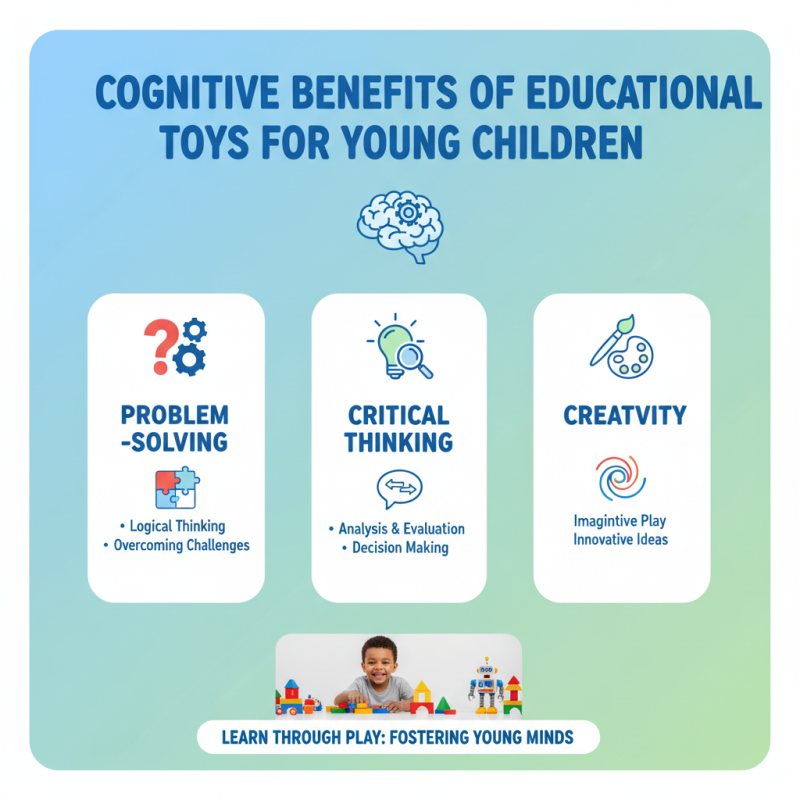
Cognitive Benefits of Educational Toys for Young Children
Educational toys play a vital role in early childhood development. They promote cognitive skills that are essential for young minds. These toys encourage problem-solving, critical thinking, and creativity. Children learn through play, which makes it a natural and effective way to foster development. Engaging with toys that challenge their imagination helps children understand the world.
Many toys stimulate sensory exploration. For example, building blocks enhance spatial awareness and fine motor skills. Similarly, puzzles improve logical reasoning. However, not every toy will suit every child. Individual preferences vary widely. Some children may find it hard to engage with certain types of toys or may feel overwhelmed. It’s essential to offer a range of options. Observe children's reactions and adapt accordingly.
Parents can also join in playtime. Active participation enhances the learning experience. It provides an opportunity for bonding and encouragement. Yet, some parents might struggle to engage regularly. Balancing work and playtime is a challenge. It's important to prioritize meaningful interactions, even if time is limited. Finding a toy that resonates with your child is key. This way, you can foster a love for learning while promoting cognitive growth.
Social and Emotional Development Through Play: Toy Recommendations
Play is crucial for social and emotional development in early childhood. Research indicates that approximately 70% of infants and toddlers learn social cues through interactive play. Simple toys that encourage sharing and cooperation can foster these necessary skills. For example, block sets allow children to collaborate on building projects. This teamwork enhances their ability to communicate and negotiate with others.
Parents often overlook the role of imaginative play in emotional growth. Role-play toys, like dolls or costumes, enable children to express their feelings. According to studies, children who engage in role-play can develop greater empathy and problem-solving skills. However, not all children respond equally to every toy. Some might struggle with sharing or expressing their emotions due to individual temperament or past experiences. Close observation is essential.
Additionally, incorporating sensory toys can aid in emotional regulation. Simple items, like fidget toys or textured balls, help children cope with anxiety. When children have tools to manage their emotions, they are better equipped to handle social situations. Ultimately, understanding the unique needs of each child is key to selecting effective toys.
Physical Development: Best Active Toys for Preschoolers in China
When considering toys for preschoolers in China, physical development is a key focus. Active toys encourage movement and help little ones build strength. Items like balance bikes and climbing frames can improve coordination. These toys also promote social interaction as children play together.
Outdoor play is essential for preschoolers. It enables them to explore their environment while developing motor skills. Simple items like jump ropes and balls can enhance fitness levels. Yet, it's crucial to ensure safety measures are in place. Parents need to supervise to avoid accidents.
Not all toys deliver the same benefits. Some may not stimulate physical activity as intended. Parents should reflect on their child’s preferences. A child who enjoys running may benefit from a more active toy. Choosing the right toys can make a significant difference in development. Selection should be thoughtful and intentional.
Influence of Cultural Factors on Toy Selection for Early Childhood
Cultural influences play a significant role in toy selection for early childhood development. In China, parents often prioritize educational toys that promote cognitive and social skills. A study by Research and Markets indicates that 63% of Chinese parents favor toys that facilitate skill development. This trend aligns with cultural values that emphasize academic achievement and social harmony.
Traditional Chinese toys often incorporate elements of folklore and moral lessons. For instance, toys depicting historical figures or traditional stories can help instill cultural knowledge. This approach not only engages children but also strengthens their identity and understanding of societal values. Surprisingly, some parents express concerns about the Westernization of toys. They worry that this might dilute cultural heritage, indicating the need for a balanced approach.
Moreover, parents' economic status affects toy choices. In urban areas, parents can invest in high-quality, educational toys, while those in rural regions often opt for simpler, multifunctional toys. According to a report by Statista, the market for children's toys in China is expected to reach $15 billion by 2025. This signifies not only growth but also the evolving landscapes of cultural preferences. There's an ongoing dialogue about how best to blend modernity with tradition.