How to Choose the Best Puzzle Toys for Kids and Adults?
Choosing the right Puzzle Toys can be challenging. Many options flood the market, catering to various ages and skills. According to Dr. Emily Carter, a developmental psychologist and expert in cognitive play, "Puzzle Toys stimulate critical thinking and problem-solving among both kids and adults."
When selecting Puzzle Toys, consider interests. Some kids love animals, while others might prefer space themes. Features like piece count and difficulty levels are crucial. For adults, intricate designs can provide a satisfying challenge. Look for toys that promote collaboration for family bonding.
Reflect on the emotional response these toys elicit. Do they inspire joy or frustration? Puzzle Toys should engage but not overwhelm. Balancing complexity is key. In preparation, observe preferences and skill levels to make informed choices. Their value lies not just in entertainment, but in fostering growth.
Factors to Consider When Choosing Puzzle Toys
Choosing the right puzzle toys involves several key factors. Consider the age and skill level of the user. Younger children may benefit from simpler designs that enhance fine motor skills. Adults often seek more complex puzzles that challenge their problem-solving abilities. Balancing difficulty is crucial. If a toy is too easy, it becomes boring. If too hard, it leads to frustration.
Material and design also play significant roles. Look for durable materials that can withstand wear and tear. This is especially important for younger users, who may not handle toys gently. A visually appealing design can also engage both kids and adults. Bright colors and unique shapes draw attention and stimulate imagination.
Lastly, think about the educational value. Puzzle toys can teach spatial awareness, logic, and teamwork. Some puzzles promote collaboration, which can be a fun family activity. However, not all puzzle toys achieve this. Reflecting on personal preferences and experiences will guide you in making an informed choice.
Factors Influencing the Choice of Puzzle Toys for Kids and Adults
This bar chart illustrates the factors to consider when choosing puzzle toys for children and adults, highlighting the importance level of each factor on a scale from 1 to 5. Age appropriateness and educational value are deemed the most critical factors, while price holds comparatively less weight in the decision-making process.
Age Appropriateness of Puzzle Toys for Different Users
Puzzle toys play a vital role in cognitive development for both kids and adults. When considering age appropriateness, one must examine the child's developmental stage. Young children benefit from larger, colorful pieces. These designs promote motor skills. They also encourage problem-solving.
Meanwhile, adults might prefer complex puzzles that challenge their logic and spatial reasoning.
For teens, engaging puzzle toys can enhance social skills. Group puzzles can foster teamwork. This age group might enjoy more intricate designs that require patience. However, some might find frustration without proper guidance. It’s crucial to choose puzzles aligned with interests and skill levels.
Additionally, selecting the right puzzle can be a personal journey. Adults often reflect on their childhood experiences with puzzles. This connection can add sentimental value. A challenge presents an opportunity for growth but may also lead to feelings of defeat. Balancing challenge level is key.
When matched correctly to age and skill, puzzle toys can inspire creativity and resilience in every user.
Types of Puzzle Toys: Wooden, Plastic, and 3D Options
When choosing puzzle toys, consider the three main types:
wooden,
plastic, and
3D.
Wooden puzzles offer a classic feel. They are durable and
eco-friendly. Many children find the tactile nature of wood engaging.
However, they can be more expensive than plastic options. This may limit accessibility for some families.
Plastic puzzles are colorful and often come in a wide range of designs.
They are lightweight and easy to clean. However, they may not be as sturdy as wooden toys.
Parents might worry about the materials used. It's essential to check for non-toxic certifications.
3D puzzles take the challenge up a notch. They encourage spatial reasoning and
creativity. These types can often be more complex and require more space.
They are great for adults who enjoy a challenge. Some may find them frustrating, especially beginners.
It's crucial to assess the skill level of the intended user before purchasing.
Each type of puzzle toy has its pros and cons. Choosing the right one means balancing fun and challenge.
Benefits of Puzzle Toys for Cognitive Development
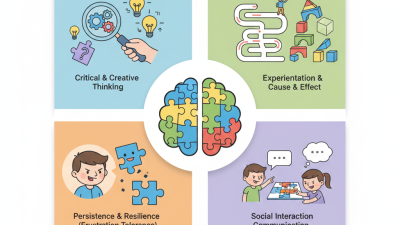
Puzzle toys are more than just fun; they play a crucial role in cognitive development. Engaging with puzzles enhances problem-solving skills and critical thinking. Research indicates that children who regularly interact with puzzle toys show a 25% increase in spatial awareness compared to those who do not. This is essential for skills such as math and science.
Adults also benefit from puzzles. Engaging in challenging tasks can sharpen memory and improve concentration. A study from a leading educational journal revealed that adults who solve puzzles at least once a week experience a 15% slower cognitive decline as they age. The act of piecing together a puzzle requires patience, which itself fosters resilience and persistence.
It's important to recognize the balance in skill levels. Some may find puzzles frustrating, which can lead to disengagement. The variety of puzzle types available today means there’s something for everyone. Finding the right level of challenge can significantly affect the enjoyment and developmental benefits. Encouraging a growth mindset can make the journey through puzzles rewarding and fulfilling.
How to Choose the Best Puzzle Toys for Kids and Adults? - Benefits of Puzzle Toys for Cognitive Development
| Puzzle Type |
Suitable Age |
Cognitive Benefits |
Unique Features |
| Jigsaw Puzzles |
3+ |
Enhances problem-solving skills, improves memory |
Varied piece counts for different skill levels |
| 3D Puzzles |
8+ |
Develops spatial awareness and critical thinking |
Builds models for a hands-on experience |
| Logic Puzzles |
10+ |
Improves logical reasoning and deduction skills |
Includes riddles and complex challenges |
| Building Blocks |
2+ |
Stimulates creativity and fine motor skills |
Encourages imaginative play and construction |
| Memory Games |
5+ |
Enhances memory recall and attention |
Fast-paced gameplay for individuals or groups |
Safety and Quality Standards for Puzzle Toys
When selecting puzzle toys, safety and quality stand out as key elements. According to a report by the American Society for Testing and Materials (ASTM), over 200,000 toy-related injuries occur annually in the U.S. Many arise from toys that fail safety standards. It’s crucial to choose puzzles that adhere to recognized guidelines. Look for certifications from reputable organizations. These ensure that the materials used are non-toxic and safe for kids and adults alike.
When considering quality, the durability of a puzzle is essential. Poor-quality puzzles can break easily, posing choking hazards or leading to frustration during play. A survey by the International Toy Industry Association indicates that high-quality toys last longer, fostering continuous engagement and learning. Opt for puzzles made from sturdy materials, such as wood or thick cardboard, as these often meet higher safety standards.
Tip: Always check for age appropriateness on packaging. This helps avoid toys that could pose risks due to small parts. Consider the skill level required. Some puzzles may look enticing but can cause frustration if too complex. Look for options that encourage gradual learning and development. Remember, not all puzzles are created equal. Don’t hesitate to read reviews and seek feedback from other parents or enthusiasts. Your choice should prioritize safety and provide a rewarding experience.