How to Choose the Best Magnetic Toys for Your Kids?
Magnetic toys have gained immense popularity among children and parents alike. These toys offer a unique blend of fun and learning. They can foster creativity and improve motor skills. With numerous options available, choosing the right magnetic toys can be daunting. Parents often find themselves overwhelmed by bright colors and different shapes.
Selecting the best magnetic toys requires careful consideration. It's crucial to prioritize safety and quality. Many magnetic toys might look appealing, but not all are made equal. Some lack the necessary durability and safety standards. You want toys that can withstand rigorous play.
Look for reputable brands with good reviews. Expert recommendations can help narrow down choices. Pay attention to age-appropriateness and educational value. Reflecting on your child's interests can guide your decision-making. Engaging in play with them can also reveal what captures their imagination. Ultimately, the best magnetic toys are those that inspire exploration while providing safe entertainment.
Understanding the Different Types of Magnetic Toys Available
Magnetic toys come in various types, catering to different developmental needs.
Building sets, like magnetic tiles, appeal to creativity. Children can construct 3D structures.
This encourages spatial awareness and fine motor skills.
Studies show that such activities can improve cognitive development by up to 30%.
Simple magnets also provide learning through play.
Consider magnetic blocks. These are often designed for younger children.
They enhance problem-solving skills through hands-on learning. Research indicates that manipulatives can boost engagement
and retention in educational settings. However, not all magnetic toys are created equal. Safety standards vary,
and some may contain small parts. Always check for certifications.
Magnetic puzzles present another option. They combine challenges with fun, promoting critical thinking.
Kids learn to recognize patterns and develop patience. However, over-reliance on technology may lead children to prefer screens over tangible play.
It’s vital to balance magnetic toy use with other forms of learning. A holistic approach supports well-rounded development.
Evaluating Age Appropriateness for Magnetic Toy Options
When choosing magnetic toys, age appropriateness is crucial. Young children may put toys in their mouths. Toys should be labeled for specific age groups. Products designed for toddlers often have larger pieces. This minimizes choking risks.
For preschoolers, magnetic toys can boost creativity. Look for sets that encourage imaginative play. These toys can help develop fine motor skills. Consider how many pieces are included. A larger set can offer diverse play scenarios. However, too many pieces might lead to frustration.
Older children can handle more complex magnetic sets. Toys with smaller pieces and intricate designs can foster problem-solving. It's essential to ensure that the magnetic strength is sufficient. Toys that are too weak may not hold interest. Always observe how your child interacts. If they seem overwhelmed, it might be worth simplifying their options.
How to Choose the Best Magnetic Toys for Your Kids? - Evaluating Age Appropriateness for Magnetic Toy Options
| Age Group |
Recommended Magnetic Toy Types |
Safety Considerations |
Benefits of Play |
| 0-2 years |
Soft magnetic shapes |
Non-toxic materials, larger pieces to prevent choking |
Sensory development, exploring colors and shapes |
| 3-5 years |
Magnetic building blocks |
Check for small parts, sturdy construction |
Fine motor skills, creativity, early problem-solving |
| 6-8 years |
Magnetic construction kits |
Avoid toys with weak magnets |
STEM skills, teamwork, and complex constructions |
| 9+ years |
Advanced magnetic engineering kits |
Ensure comprehensive safety testing data |
Critical thinking, engineering principles, creativity |
Safety Considerations When Selecting Magnetic Toys for Kids
When selecting magnetic toys for children, safety should be a top priority. The U.S. Consumer Product Safety Commission reported over 400 incidents related to magnetic toy injuries in the last decade. Many of these cases involved young children swallowing small magnets, leading to serious health risks. Parents must check for any loose parts and ensure that toys are made for a specific age group. Toys designed for toddlers typically should not contain small magnets.
Research indicates that high-quality magnetic toys should undergo rigorous safety testing. It's important to look for toys that carry certifications like ASTM or CE. These labels indicate compliance with safety standards. A study published in the Journal of Pediatric Health found that using safer magnetic materials can significantly reduce injury risks. Additionally, keeping a close eye on children during play can help prevent accidents, especially with toys containing small components.
Parents often underestimate risks. Many may not realize that even well-regarded toys can pose dangers if misused. Regular inspections of existing toys for wear and tear are crucial. Damaged toys should be discarded immediately to avoid accidents. It's vital to engage in open discussions with children about safe play practices. Encouraging children to be mindful of their surroundings adds an extra layer of safety.
Safety Considerations When Selecting Magnetic Toys for Kids
Assessing Educational Value and Developmental Benefits of Toys
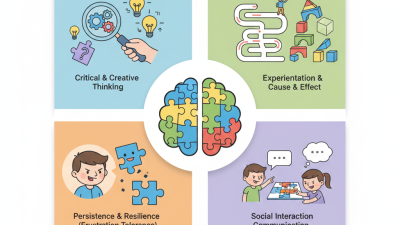
When selecting magnetic toys for children, educational value is key. These toys can enhance critical thinking and problem-solving skills. Children manipulate magnetic pieces, creating structures or patterns. This hands-on activity promotes spatial awareness and logical reasoning. Engage children with open-ended designs that fuel creativity. The process can be more valuable than the final outcome.
Developmental benefits are significant. As kids play, they learn to collaborate. They share pieces and ideas, fostering teamwork. This interaction can build social skills and communication. However, the opportunity for frustration exists too. If a child struggles with the magnets, it may discourage them. Reflecting on difficulties is part of growth.
Consider safety alongside educational value. Ensure the toys have non-toxic materials. Small pieces can pose choking hazards for younger children. It's essential to find the right balance between fun and safety. These factors contribute to a thoughtful selection of magnetic toys for your kids.
Finding Reliable Brands and Sources for Quality Magnetic Toys
When searching for quality magnetic toys for your kids, consider reliable brands and sources. Research is key. Start by looking for manufacturers with a strong reputation in the toy industry. Websites with reviews and safety ratings can give you insight into the product's quality. Pay attention to third-party testing and certifications that ensure safety standards are met.
Online marketplaces can be a mixed bag. Some sellers may not provide accurate information. Look for sellers that focus on educational and developmental toys. They often have a selection of trusted brands.
Seek out expert opinions, such as from child development specialists, to help guide your choices.
Not all magnetic toys are created equal. Some may not have undergone rigorous testing. This can lead to safety risks, which is a concern for any parent. Ensure the toys you choose are age-appropriate and consider their educational value. Wooden or environmentally friendly options might be preferable. Children engage better with toys that spark their creativity and curiosity.