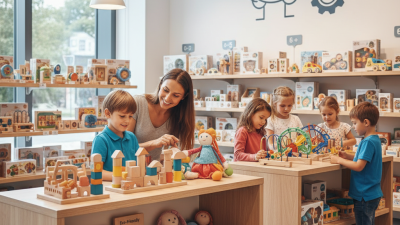
Top Exporter Toys Strategies for Global Buyers?
In the dynamic world of global trade, "Exporter Toys" stand out as a significant product category. The strategies employed by top exporters play a crucial role in meeting the demands of international buyers. Understanding these strategies can enhance market appeal and foster better partnerships.
Successful exporters thrive by adapting to varying market trends. They prioritize innovation and quality, ensuring that their products meet safety standards. Keeping up with consumer preferences is essential. For instance, eco-friendly toys are gaining traction as buyers become more environmentally conscious. This shift presents both opportunities and challenges for exporters.
Navigating the complexities of global supply chains requires expertise. Exporters must balance cost, quality, and logistics. Building strong relationships with suppliers can offer reliability. However, mistakes can arise, such as misjudging a market's needs or supply disruptions. Reflecting on these experiences is vital. After all, a successful export strategy hinges not just on selling toys, but on creating trust with buyers across borders.
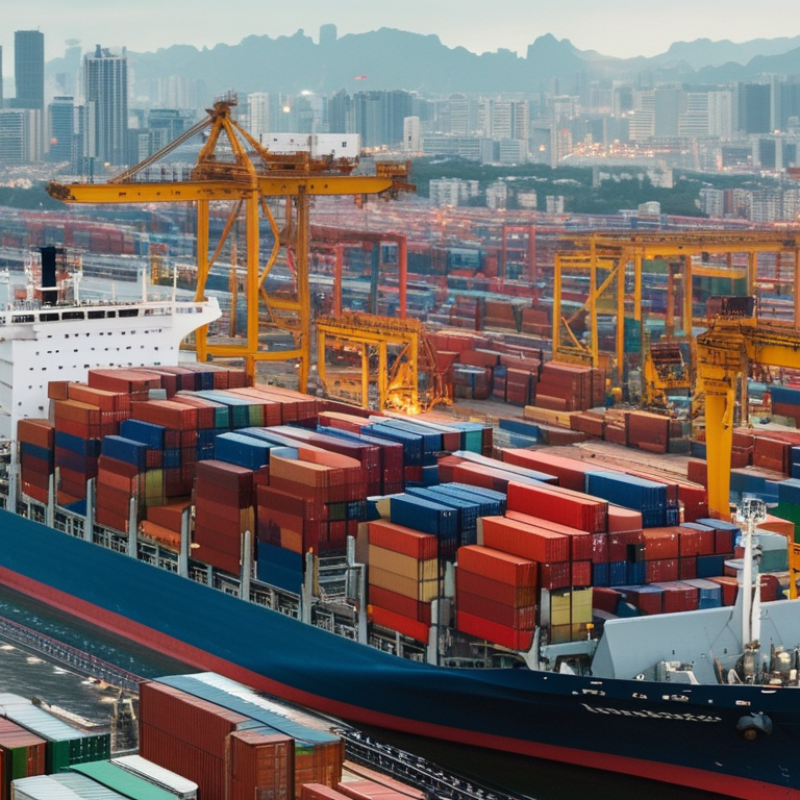
Global Overview of the Toy Export Market Trends and Dynamics
The toy export market is witnessing significant changes. In 2022, the global toy industry was valued at approximately $90 billion. This figure is expected to reach $120 billion by 2026, indicating a compound annual growth rate of around 6%. Such trends underline the growing demand for toys, particularly in emerging markets. Factors like rising disposable incomes and urbanization are driving this expansion.
A major shift is happening towards eco-friendly and sustainable toys. Data shows that 40% of consumers are willing to pay more for environmentally friendly products. This inclination is pushing manufacturers to innovate and adapt to greener practices. However, challenges remain, such as supply chain disruptions and increased costs of raw materials. These hurdles can create uncertainties for exporters in maintaining product availability and pricing.
Digital transformation is also reshaping the market landscape. E-commerce growth is revolutionizing how toys reach consumers. In 2023, online sales accounted for over 30% of total toy sales. Yet, this trend brings both opportunities and risks, particularly concerning cybersecurity and market saturation. Globally, buyers must now navigate these dynamics carefully to capitalize on emerging trends while addressing inherent challenges.
Key Strategies for Sourcing Quality Toys from Top Exporting Countries
Sourcing quality toys requires a strategic approach. Buyers must prioritize reputable exporting countries known for their manufacturing standards. According to a 2022 industry report, countries like China, Germany, and the USA accounted for over 60% of global toy exports. Each of these regions employs unique strategies to ensure high-quality production.
One essential strategy is verifying compliance with international safety standards, such as ASTM and EN71. Buyers can minimize risks by demanding certifications from suppliers. A report by the Toy Industry Association indicates that 85% of recalls in 2020 were due to safety issues. Therefore, asking for documentation can protect businesses from future liabilities.
Building strong relationships with suppliers is equally important. Frequent communication fosters trust and allows for better negotiation on quality and price. A survey showed that 70% of buyers consider long-term relationships crucial for successful sourcing. Additionally, visiting manufacturing facilities can uncover potential quality control issues. In the ever-evolving toy market, adapting to trends and being aware of economic fluctuations is vital. Only through diligence can buyers secure top-quality products.
Understanding Compliance and Safety Regulations for Toy Imports
Understanding compliance and safety regulations is crucial for global toy buyers. Each country has specific guidelines to ensure that toys are safe for children. For instance, in the US, the Consumer Product Safety Commission (CPSC) sets strict standards. In Europe, the EN71 standard applies. Familiarizing yourself with these regulations can prevent costly fines or recalls.
Ensure that your suppliers provide the proper documentation. Certificates of Compliance and safety test results are essential. They must prove that toys meet required safety measures. This is not just a legal requirement; it builds trust with your customers. Organizations often check for compliance before they even consider purchasing.
When sourcing toys, pay attention to material safety. Look for non-toxic paints and BPA-free plastics. Unsafe materials can lead to serious health risks. It's vital to question your suppliers about their sourcing methods. Have they tested the materials? Are they aware of industry standards? These may seem like minor details, but they can significantly impact your business reputation. Striving for high standards in compliance keeps both children and your brand safe.
Effective Supply Chain Management for Toy Exporters and Buyers
Effective supply chain management is key for toy exporters and buyers. The global toy market was valued at approximately $90 billion in 2021, and it is projected to grow by 4-5% annually. Quality supply chains can help tap into this growth. However, challenges remain. Logistics delays can lead to stock shortages and missed sales opportunities. According to a recent report from Statista, about 40% of toy retailers faced supply chain disruptions in 2022.
Establishing reliable connections with manufacturers is vital. Building robust partnerships ensures timely production and delivery. Communication is a cornerstone of successful collaboration. Reports indicate that around 30% of businesses noted better performance through improved supplier relationships. Buyers should regularly assess their supply chain partners. This reflection helps identify areas for improvement and drives efficiency.
Additionally, data-driven decision-making enhances supply chain robustness. Utilizing analytics can optimize inventory levels and reduce waste. A 2023 survey found that companies leveraging data achieved a 20% reduction in operational costs. However, these strategies require ongoing commitment and flexibility to adapt to market changes. Keeping these dynamics in mind will aid toy exporters and buyers in navigating an ever-evolving landscape.
Innovative Marketing Approaches for Toy Exporters to Attract Global Buyers
In today’s competitive toy market, innovative marketing strategies are crucial. Television commercials are no longer enough to reach global buyers. Toy exporters must explore digital avenues to connect with diverse audiences. Using social media platforms can effectively showcase product features. Visual content, such as videos and engaging posts, can make a significant impact.
Collaborations with popular influencers create authentic engagement opportunities. When influencers demonstrate products, it builds trust among potential buyers. Additionally, participating in online toy fairs expands reach to international markets. However, maintaining consistency in branding across platforms presents a challenge. Companies must ensure their message resonates everywhere while adapting to local cultures.
Data analytics is vital for understanding consumer behavior. Exporters should invest in analyzing trends and preferences. This information can help tailor marketing campaigns effectively. Simultaneously, staying updated with regulatory changes in different countries is necessary. Ignoring these aspects can lead to costly mistakes. Turning these challenges into learning experiences will strengthen overall strategies.
Top Exporter Toys Strategies for Global Buyers
| Export Strategy |
Marketing Approach |
Target Market |
Sales Channels |
Customer Engagement Tools |
| Sustainable Toys |
Social Media Campaigns |
North America |
E-commerce Platforms |
Interactive Webinars |
| Educational Toys |
Influencer Collaborations |
Europe |
Retail Partnerships |
Customer Feedback Surveys |
| Tech-Integrated Toys |
Content Marketing |
Asia-Pacific |
Online Marketplaces |
Mobile Apps |
| Classic Toys |
SEO and SEM Strategies |
Latin America |
Flash Sales |
Loyalty Programs |
| Customized Toys |
Personalized Email Marketing |
Middle East |
Direct Sales |
Social Media Contests |